A
Anonymous
Financial expert · Financer

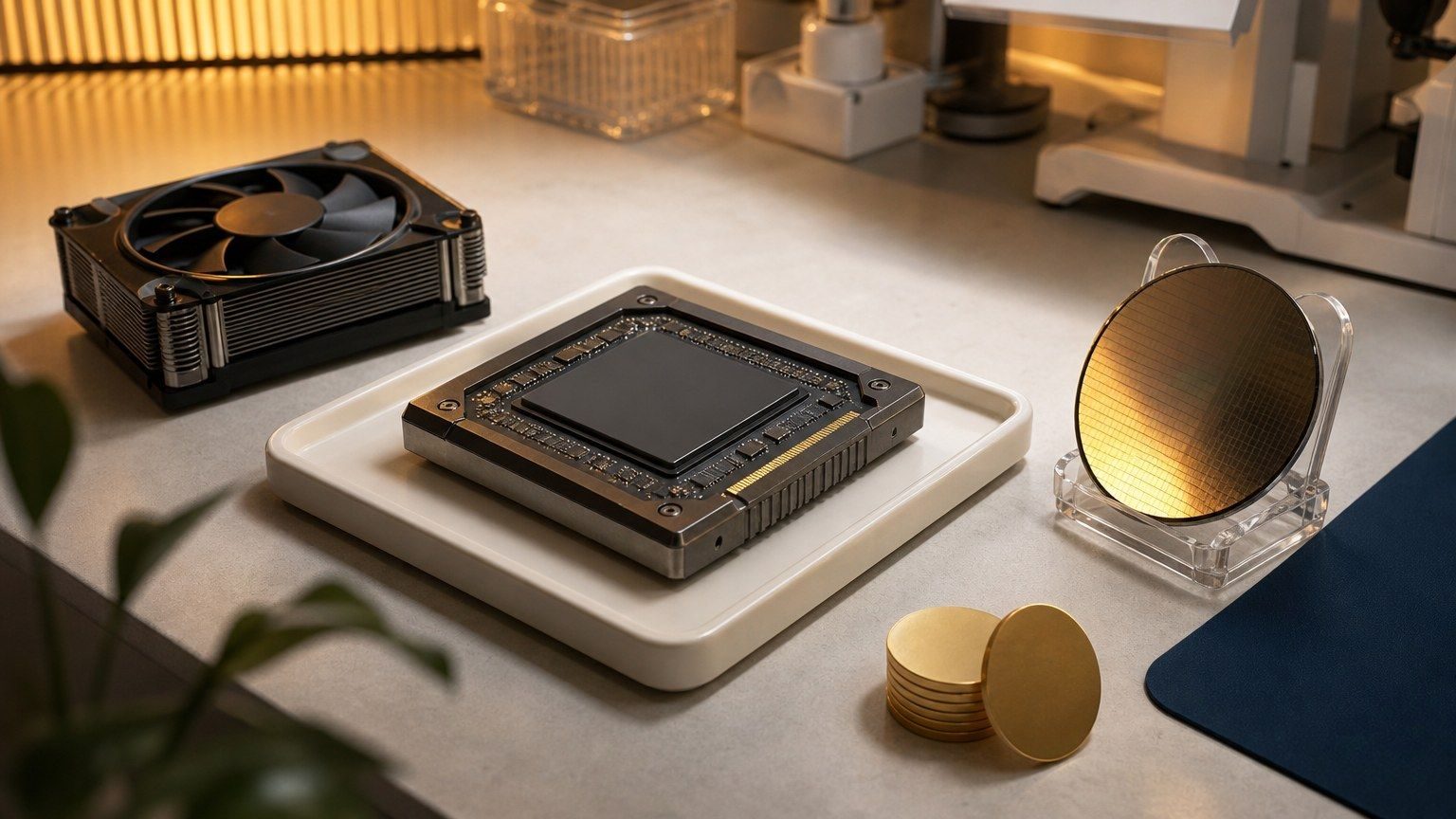
SK Hynix raised $26.5 billion through its US listing. The American depositary receipts were priced at $149 each, giving US investors a simpler way to buy a major AI memory-chip company.
The company already trades in South Korea. This listing adds a US door. That matters because many investors, funds, and retirement accounts have easier access to US-listed shares than Korean shares.
Demand was strong. Reports said the deal was about seven times oversubscribed, which means investors wanted far more shares than were available. That is what happens when Wall Street finds a new way to buy a hot AI supplier.
You may not know SK Hynix by name. You may still own the story. If you hold semiconductor funds, broad tech funds, or a growth-heavy 401(k), memory-chip demand can already affect your balance.
SK Hynix is a big supplier of high-bandwidth memory. That is the special memory used with AI chips in data centers. The simple version: Nvidia-style AI hardware needs a lot of fast memory, and SK Hynix sells a lot of it.
The new US listing also gives investors another single-stock way to bet on AI. That can be useful. It can also tempt people to chase a sector after a huge move. If you are choosing where to hold investments, compare costs and access on our investment platforms page.
The size of this deal is the first number to respect. $26.5 billion is larger than Alibaba's $25 billion US listing in 2014, which used to be the easy reference point for huge foreign listings.
Now look at your own account. Say you have $50,000 in a tech-heavy fund. If chip and AI names make up 25% of that fund, you have about $12,500 tied to that theme. You did not need to buy SK Hynix directly for the AI memory cycle to matter.
A single stock is sharper. If someone puts $2,000 into an ADR and it falls 20%, that is a $400 hit. Memory stocks can move like that because the business is cyclical. Demand can look unstoppable, then supply catches up.
Watch memory prices, AI data-center spending, and the first few months of ADR trading. If the stock rises even on average news, investors are still hungry. If good news stops working, the trade is getting tired.
Also watch supply. Chip companies love to build when prices are high. That is how shortages become gluts. In memory, the turn can be fast.
This is general information, not financial advice. Figures cited are as of July 10, 2026. Sources: Reuters via Yahoo Finance, MarketWatch, and Financer Daily research.
Do you have a question about this topic? Ask the community.
Email confirmed — your comment appears after review.
That link expired. Post your comment again.
Anonymous
Financial expert · Financer
Compare stock brokers
from $0 min. deposit
9 options
11 min readInvest
13 min readInvest
6 min readInvest
8 min readInvest
6 min readInvest
Join *Financer Stacks* - Your weekly guide to mastering money basics, stacking extra income, and creating a life where money works for you.