A credit card is a financial tool that lets you borrow money from a bank or card issuer to make purchases, whether online, in-store, or even for recurring bills. Instead of paying with your own money upfront, you're borrowing it and agreeing to repay it later.
Each credit card comes with a credit limit, which is the maximum amount you're allowed to spend. Every time you make a purchase, that amount is deducted from your available limit. At the end of your billing cycle, you'll receive a statement showing what you spent and how much you owe.
If you pay your balance in full by the due date, you usually won't owe any interest thanks to what's called the grace period, a window of time (typically 21 to 25 days) when purchases don't accrue interest. But if you carry a balance past that period, interest charges kick in and can add up quickly.
Aside from convenience, credit cards can offer benefits like rewards programs, travel perks, fraud protection, and the ability to build your credit score if used responsibly. The best rewards credit cards can earn you hundreds or even thousands of dollars annually in cashback, points, or travel benefits. However, if mismanaged, they can also lead to high-interest debt and financial stress.
So what is the best credit card? It depends entirely on your spending habits and financial goals. Understanding how credit cards work, and how to use them wisely, can make them a powerful financial ally rather than a costly burden.
Different Types of Credit Cards
Whether you're building credit, earning rewards, consolidating debt, or traveling the world, there's a credit card designed to meet your specific goals.
Before you choose, it's important to understand the different types of credit cards available and how each one works.
Below, we break down the main categories so you can easily compare features and find the one that fits your lifestyle best.



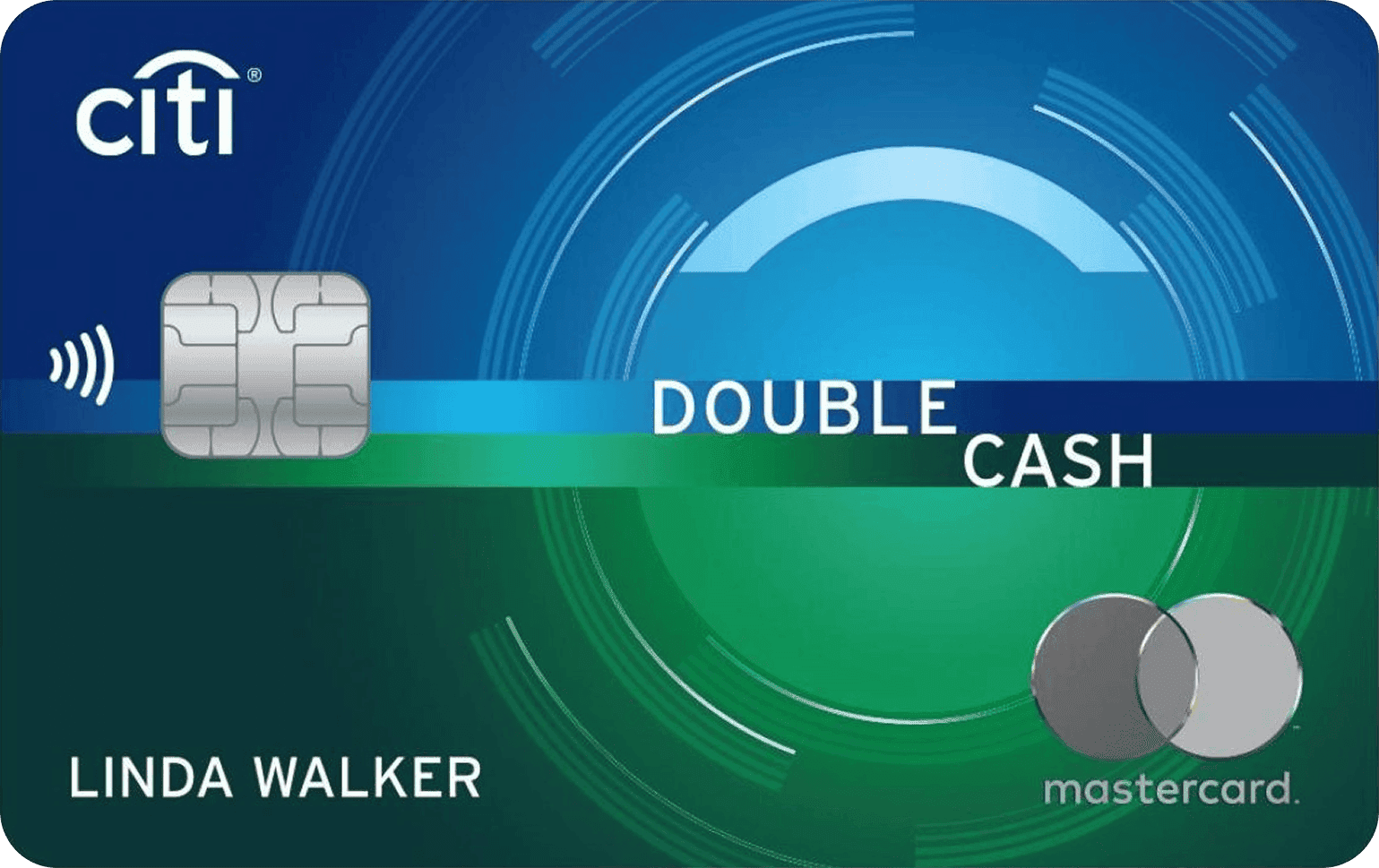
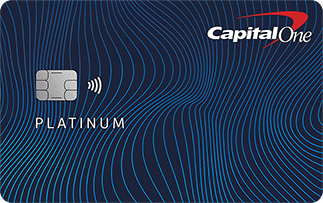
 Top Rated


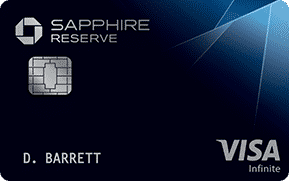


 Cards
Cards